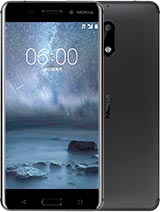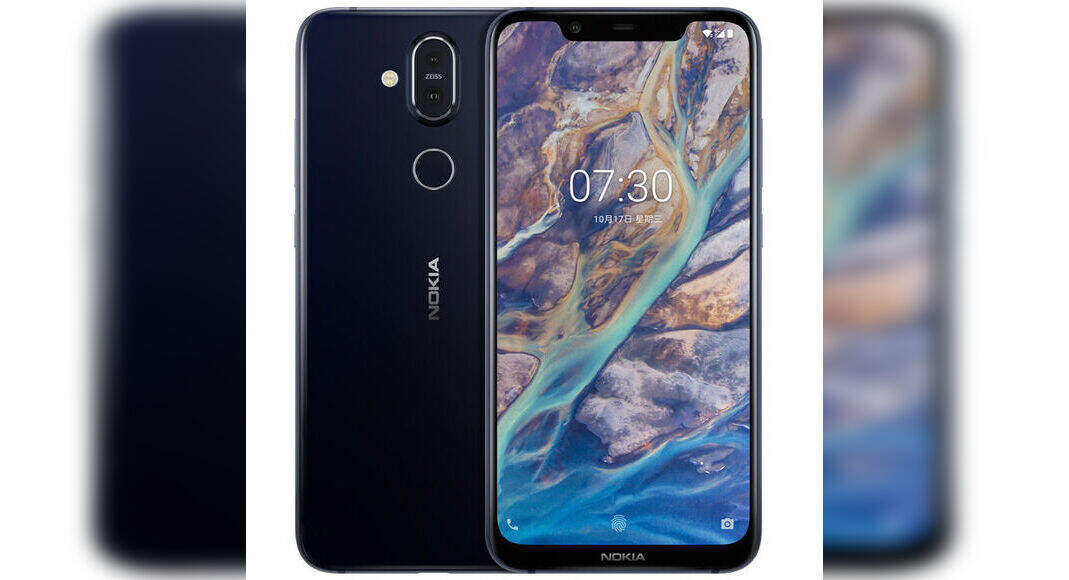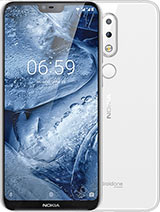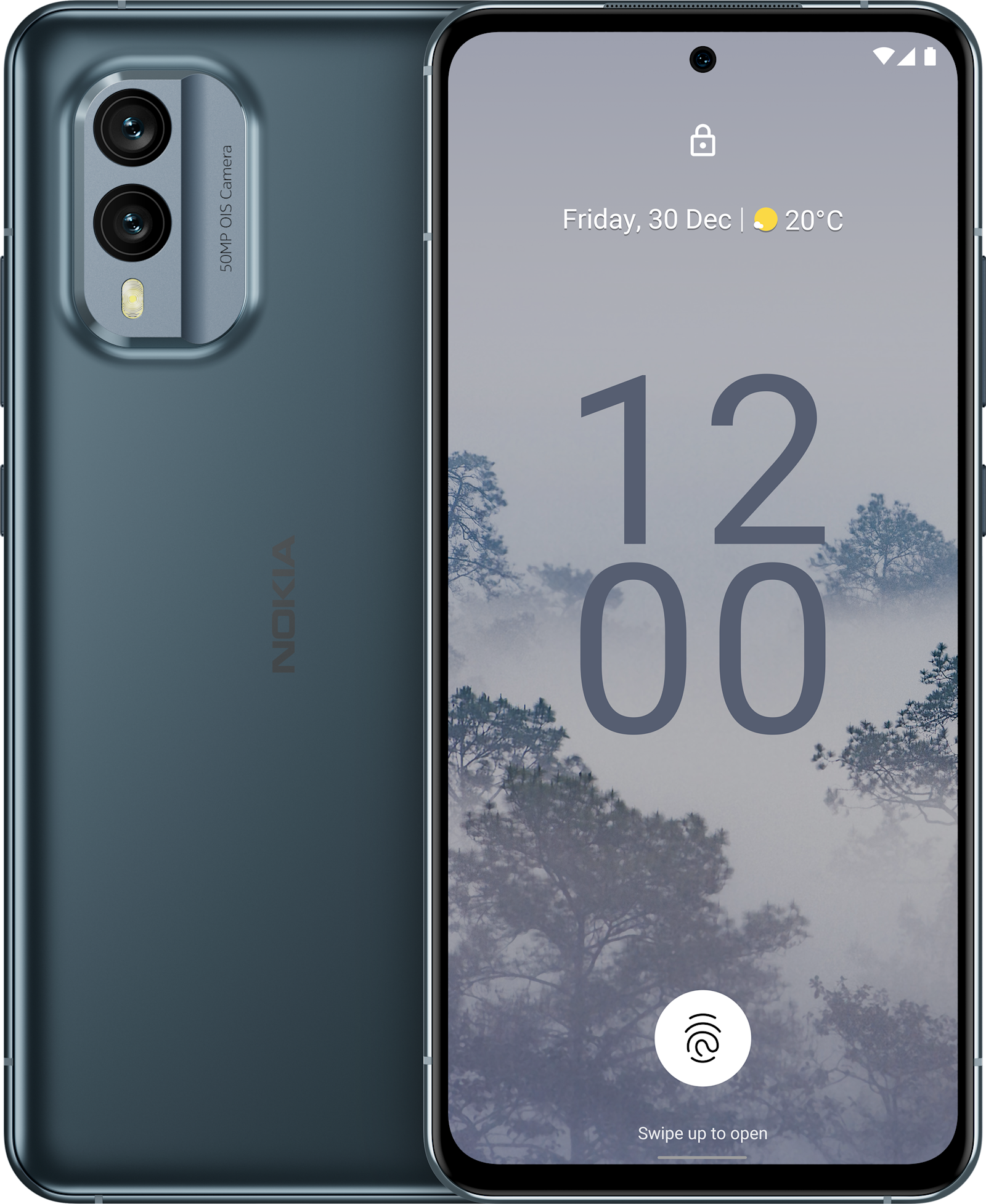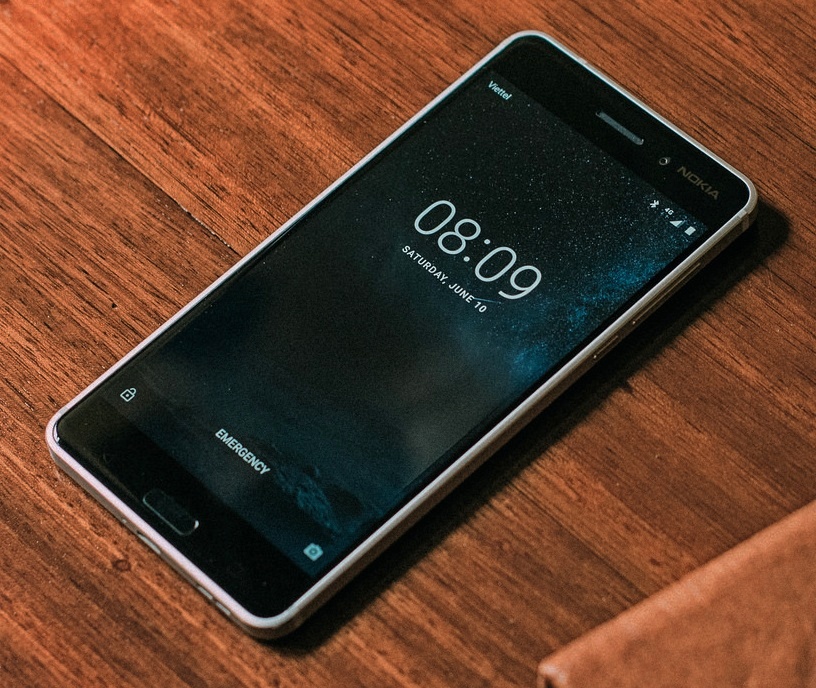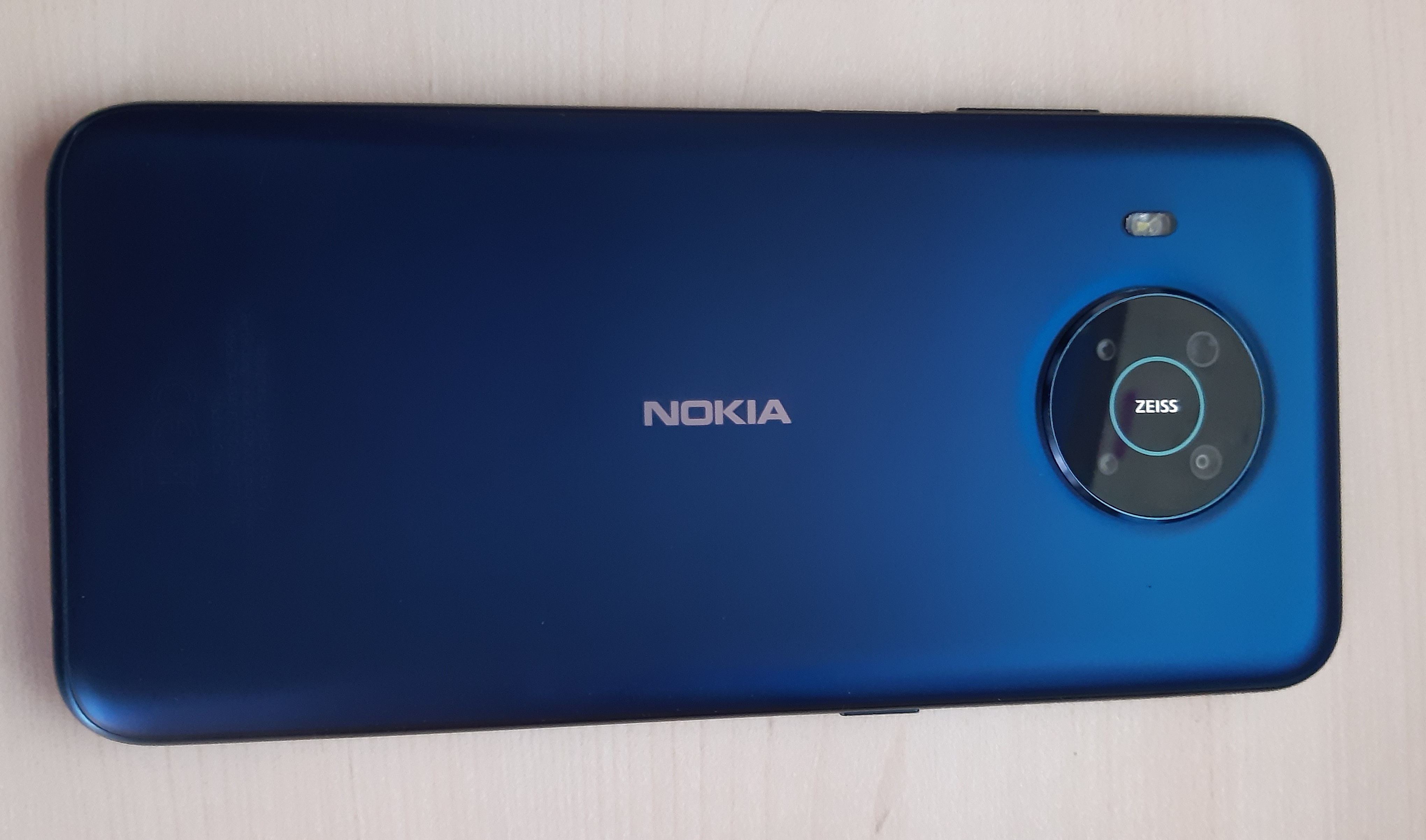
There is no single “best Nokia Android phone” because the brand’s Android lineup changed purpose over time. Nokia 6 was a return statement, the Plus models filled practical price bands, Nokia 8.1 aimed higher, and Nokia X30 represented a later attempt to compete on design, support, and sustainability. The right choice depends on whether you want a usable second phone, a collector piece, or a snapshot of Nokia’s strategy.
The timeline in four useful stages
| Stage | Representative models | What Nokia was trying to solve |
|---|---|---|
| 2017 comeback | Nokia 6 | Rebuild trust with recognizable hardware and clean Android |
| 2018 expansion | 6.1 Plus/X6 and 5.1 Plus/X5 | Offer modern screens and several price points |
| Upper mid-range | Nokia 8.1/X7 | Compete on display, camera, and performance |
| Mature X series | Nokia X30 | Add design, support, and environmental messaging |
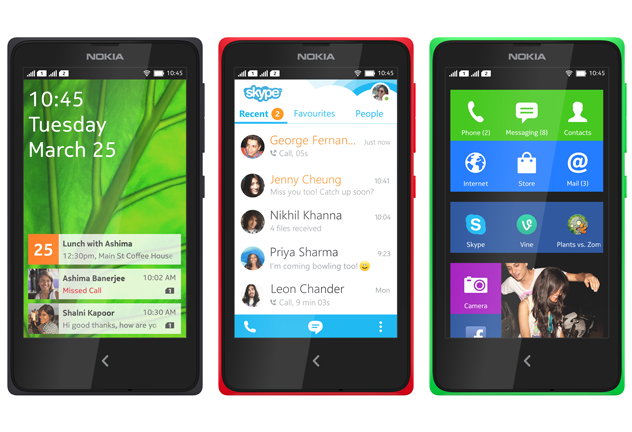
This timeline should not be confused with Nokia X family from 2014. The earlier X and X+ used Nokia X Platform, an Android-compatible system with a different services model. The later X30 was a conventional Android smartphone.
What was good about Nokia’s Android approach?
The strongest idea was restraint. Nokia’s Android phones generally aimed for a clean interface instead of a heavily customized skin. That made them easier to learn, easier to recommend, and closer to the Android experience many users expected from Google’s own devices.
The other advantage was product clarity. Nokia 6, 5.1 Plus, 6.1 Plus, and 8.1 occupied recognizable positions rather than being identical phones with confusing names. The problem was that regional naming, update timing, and availability sometimes made the lineup harder to compare than it looked on paper.
How to choose a Nokia Android phone today
For a collector or history project, the original Nokia 6 is the most important starting point because it represents the comeback. For light everyday use, a well-preserved 6.1 Plus is usually more comfortable than the older Nokia 6 because of its display and performance. The 5.1 Plus makes sense only when its condition and price are clearly better.
The Nokia 8.1 is the interesting option for buyers who want a stronger screen and camera package from the same period. It is also the model most likely to be affected by age-related battery wear, so condition matters more than the original specification sheet.
The X30 is the later choice when you want a more modern shape and a newer platform. Even then, check the exact Android version, security-update status, battery health, network compatibility, and availability of replacement parts before treating it as a daily phone.
Used-buying checklist
Before paying for any older Nokia Android phone, test the USB port, cameras, fingerprint reader, speakers, microphone, Wi-Fi, cellular connection, and battery drain. Confirm that the device can be reset without a previous owner’s account lock. A clean screen and healthy battery are usually worth more than a small difference in RAM.
Do not rely on the Nokia name alone for current security. These phones belong to different support periods, and an older model may no longer receive patches even if it still runs. Use a newer phone for banking and sensitive accounts unless you have verified its support status.
Where Nokia Android fits in the brand’s history
Nokia’s Android story is best understood as a sequence of compromises rather than a simple rise and fall. The company first had to return, then fill the market with credible mid-range phones, then find a stronger identity in a crowded Android field. That is why Nokia 6, 6.1 Plus, and 5.1 Plus are worth studying together.
Use the Android phones catalog facet for the full list, open compare for side-by-side checks, and read the collector guide when historical value matters as much as daily usability.