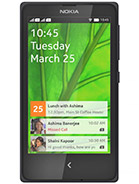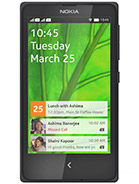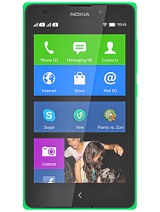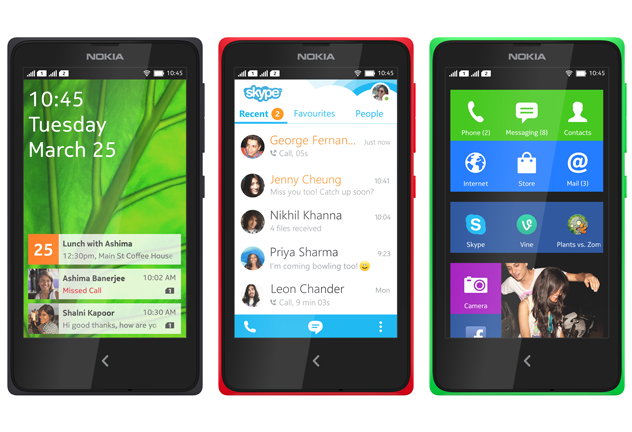
If you remember Nokia mainly for Symbian, Lumia, or classic keypad phones, the X family can feel like an odd detour. Nokia X, Nokia X+, and Nokia XL were released in 2014 as affordable phones that could run many Android applications while keeping a Nokia-designed interface. They were not ordinary Google-certified Android phones, and that distinction explains both their appeal and their limits.
The short answer: which model was which?
| Model | Place in the range | What it changed |
|---|---|---|
| Nokia X | Entry model | Compact four-inch phone and the basic Nokia X Platform experience |
| Nokia X+ | Upgraded compact model | More memory and a microSD card supplied in the box |
| Nokia XL | Large model | Five-inch display, larger body, and a more comfortable media experience |
The X+ was not a new generation. It was the sensible choice for someone who liked the size of Nokia X but wanted more breathing room for applications and media. XL was the model for buyers who wanted a larger screen before large phones became the default.
Why Nokia built it
In early 2014, Android was already the fastest way to offer a broad application catalog. Nokia’s Windows Phone strategy had a different identity, but its application selection was a serious concern for budget buyers. The X family was an attempt to bridge that gap without simply shipping a generic Android phone.
Microsoft’s launch material positioned the family around Nokia services, a tile-based home screen, and Fastlane notifications. The visual language was closer to Asha and Windows Phone than to stock Android. For a user who valued Nokia’s interface but wanted access to more applications, that combination was genuinely attractive.
The software compromise most buyers missed
“Runs Android apps” did not mean “works exactly like an Android phone.” Nokia X Platform was based on Android, but Google Play Services and the standard Google Play environment were not the foundation of the product. Nokia used its own store and services, and some applications required workarounds or alternative stores.
That difference mattered in everyday use. Basic applications, games, music, and messaging could be perfectly usable, but apps that depended heavily on Google accounts, location services, push notifications, or Play Services could be unreliable. The X family therefore offered compatibility, not the complete Android experience users expected from later Nokia phones.
Which one makes sense for a collector?
The X+ is usually the most interesting middle ground: it has the recognizable compact design, but it also represents Nokia’s attempt to make the platform more practical. XL is easier to appreciate as a historical product because its large screen makes the family’s “smartphone” ambition more obvious. The base X is the cleanest example of the original concept and is often the simplest model to identify.
Before buying a used device, check the exact model, display condition, battery swelling, SIM tray, and whether the original charger is included. Do not buy one expecting modern banking, social, or streaming applications. These are collector and retro-use devices, not secure daily drivers.
Why the experiment still matters
The X family was a transition point between Nokia’s older platforms and its later Android strategy. It showed that Nokia understood the application problem, but also that an Android-compatible layer was not enough to replace a complete ecosystem. Compare it with Nokia 6: Nokia 6 returned with a much more conventional Android experience, which made it easier for mainstream buyers to understand and support.
For the wider timeline, read about iconic Nokia phones, then browse the full Nokia catalog to see where the X family fits among Nokia’s other experiments.