When people search for iconic Nokia phones, they are rarely looking for a random ranking. They usually want to know which models genuinely represent the brand and why some Nokia devices are still remembered years after release. The answer is that Nokia produced iconic phones for different reasons. Some became famous because they were durable and easy to live with, some because they defined an entire mobile era, and some because they showed how ambitious Nokia could be when it pushed into smartphones. For a broader guide to classic devices, the existing best classic Nokia phones article is the best companion.
The word “iconic” matters here because it is different from “best”. A phone can be technically impressive without becoming culturally important, and it can become culturally important without being a flagship. That is why the most useful way to explain iconic Nokia models is by role in Nokia history. Readers can then move from the historical argument into the more structured phones by year and phones by series hubs.
The Mass-Market Icons
The Nokia 3310 is probably the clearest example of an iconic Nokia model because it became shorthand for durability, battery life, and dependable everyday use. It is still discussed not because it competes with modern smartphones, but because it symbolizes the period when mobile phones became mainstream consumer products. The dedicated Nokia 3310 history article goes deeper into why that happened.
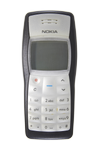
The Nokia 1100 belongs in the same conversation for a different reason. It did not become iconic through premium features or unusual design. It became important because it shows Nokia at its strongest in mass-market execution. Phones like the 1100 reached a huge number of users by doing the basics well and staying affordable, durable, and simple.
The Prestige And Business Icons
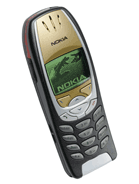
Some Nokia models became iconic because they represented status or professional credibility. The Nokia 6310 is still remembered as a practical business-era handset that reflected Nokia’s strength before smartphones dominated the market. It was not flashy in the way later phones would be, but it became iconic through trust, reliability, and executive appeal.
That same pattern later appeared in more advanced devices too. Nokia often built iconic products not only by chasing extreme specifications, but by understanding who a phone was for and making the product identity extremely clear. That is one reason Nokia still lends itself well to reference-style research rather than only raw specs browsing.
The Smartphone-Era Icons
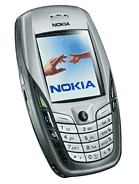
Once Nokia moved deeper into smartphones, iconic status started to come from different strengths. The Nokia 6600 mattered because it helped define the early smartphone transition. It showed that Nokia could move beyond classic handsets and into richer software, camera use, and portable computing. That wider Symbian story is easier to follow through the Symbian guide.
The Nokia N95 then became iconic as one of Nokia’s most ambitious high-end devices. It represented the company’s premium multimedia thinking before the modern smartphone market settled around a new software model. For many readers, the N95 is the model that proves Nokia was not only good at classic phones. It also knew how to build technically ambitious flagships.
The Late-Era Nokia Icons
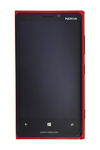
Even in the Lumia period, Nokia still produced phones with lasting brand identity. The Lumia 920 became iconic because it made the Lumia design language feel immediately recognizable to mainstream buyers. It was part of Nokia’s effort to redefine itself in the Windows Phone era, which is why it works so well as an entry point into the Lumia guide and the Lumia timeline.
Looking across these models together helps explain why iconic Nokia phones continue to attract long-tail search interest. Readers are not only asking for specifications. They are asking which devices best represent Nokia’s identity across different eras. The next useful step is to compare a classic icon like the 3310 against a smartphone-era icon like the N95, or continue through the full Nokia catalog and compare tool to see how those identities changed over time.