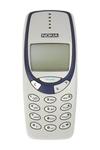
The Nokia 3310 remains one of the strongest symbols of the mobile phone era before touchscreens took over. People still search for it not because it competes with modern smartphones, but because it represents a different kind of product value: reliability, simplicity, and a design that worked for years with very little maintenance. When users ask why the Nokia 3310 became so famous, the answer is not one specification. It is the combination of timing, usability, and trust. If you are comparing it against other iconic handsets from the era, the broader best classic Nokia phones guide gives useful context.
The model arrived when mobile phones were moving from business tools into mass-market devices. At that stage, many buyers were not looking for advanced software. They wanted clear calls, dependable text messaging, a keypad that felt familiar, and battery life that did not force daily charging habits. The Nokia 3310 met those needs with unusual consistency, which made it easy to recommend and easy to keep.
Another reason the phone lasted in public memory is that it felt physically durable. Over time, that reputation turned into a cultural shorthand. Even people who never owned one often recognize the model as a symbol of rugged design. That matters from an SEO perspective too: the search intent around the Nokia 3310 is not only technical. It is historical, nostalgic, and comparative. Readers want context around why the phone became iconic, not just a list of specs.
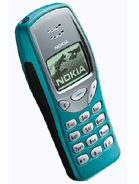
The Nokia 3310 also fits into a broader Nokia design story. It belongs to the period when the company was exceptionally strong at building phones that balanced cost, usability, and character. Models around it shared some of the same design DNA, but the 3310 became the breakout example because it hit the market at exactly the right moment and reached a very wide audience. Readers interested in how Nokia moved from this dependable feature-phone period into more advanced devices can continue with the Symbian explainer and then the later Lumia guide.
For users comparing classic Nokia models today, the 3310 is often the baseline. It helps explain what made early mass-market Nokia phones successful before cameras, app stores, and mobile internet became central. That is why it still deserves a dedicated article: not only as a product page entry, but as a reference point in the history of consumer mobile hardware.