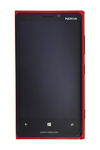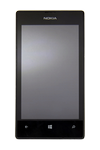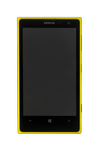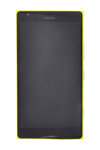
When people search for Nokia Lumia phones, they are usually trying to place the range in Nokia history rather than just remember individual model numbers. Lumia mattered because it was Nokia’s attempt to rebuild its smartphone position in a market that had already shifted toward touch-first software ecosystems. The line was not a continuation of classic Nokia feature phones, and it was not simply Symbian with a new name. It was a distinct chapter built around Windows Phone, bold industrial design, and a more modern smartphone identity. Readers who want the earlier part of that timeline should start with the Nokia Symbian phones guide.
That is why Lumia still gets evergreen search interest. Readers want to know what made these phones different, why models like the Lumia 920 or Lumia 1020 are still remembered, and whether Lumia represented a real turning point for Nokia. The short answer is yes: Lumia was the company’s clearest effort to define a post-Symbian smartphone era with a cleaner interface, stronger camera storytelling, and hardware that stood out immediately on a store shelf. For the older hardware identity Lumia was trying to move beyond, the Nokia 3310 history and the broader classic Nokia phones guide help frame the contrast.
What Lumia Was Trying To Do
The Lumia range answered a very specific problem. Nokia had spent years building prestige around hardware, industrial design, and mobile imaging, but the smartphone market was becoming increasingly software-led. Lumia tried to close that gap by pairing Nokia hardware strengths with an operating system that felt visually different from both older Nokia platforms and the Android devices multiplying across price tiers.
That is also why Lumia devices often feel easier to explain by role than by raw specifications. The Lumia 920 represented the premium ambition of the range. It signaled that Nokia still wanted flagship relevance, not just volume sales. The Lumia 520 mattered for a different reason: it brought the Lumia identity to a much broader audience and became one of the clearest examples of Nokia trying to stay competitive through value and accessibility.
Why Some Lumia Models Still Stand Out
Several Lumia phones remain historically important because each one highlights a different part of Nokia’s strategy. The Lumia 920 is remembered for showing that Nokia could still build a phone with strong visual identity and mainstream appeal. The Lumia 1020 pushed the camera story much harder and became one of the best-known examples of Nokia treating mobile photography as a flagship differentiator rather than a checklist feature.
Larger devices like the Lumia 1520 show another side of the same era. Nokia was not only chasing compact mainstream buyers. It was also experimenting with larger-screen hardware for users who wanted media, navigation, and productivity on one device. Looking across these models makes it easier to understand Lumia as a family of products rather than one iconic phone carrying the whole line.
Why Lumia Still Matters In Nokia Research
Lumia is useful for Nokia research because it explains the company’s last major attempt to remain a top-tier smartphone brand under its own hardware identity. Classic feature phones explain Nokia’s mass-market dominance, and Symbian explains its earlier smartphone transition. Lumia shows the next stage: a company with strong hardware instincts trying to adapt to a market where platform momentum mattered as much as design quality.
For readers exploring this catalog, Lumia is best approached as a bridge between eras. It is where Nokia’s recognizable hardware character met a new software strategy, with mixed commercial results but lasting historical importance. A practical next step is to compare a flagship like the Lumia 920 against a more accessible model like the Lumia 520, read the dedicated Lumia timeline, or continue browsing the wider Nokia phones catalog to see how Lumia fits into the brand’s longer timeline.