When people search for the best classic Nokia phones, they are usually looking for more than nostalgia. They want to understand which devices actually mattered and why some models stayed relevant long after release. The strongest classic Nokia phones fall into a few distinct groups: durable everyday devices, design-led mainstream phones, and more advanced models that pushed Nokia toward the smartphone era. For a focused look at Nokia’s most famous mass-market handset, see the dedicated Nokia 3310 history.
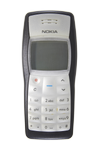
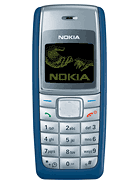
At the entry-level end, models like the Nokia 1100 and Nokia 1110i matter because they show how well Nokia understood large-scale everyday use. These were not prestige devices, but they were incredibly important. They offered straightforward calling and messaging, strong battery life, and hardware that could tolerate heavy daily use. For many users around the world, phones like these were their real introduction to mobile communication.
The Nokia 3310 belongs in a different category: it became a cultural symbol. It is one of the most recognized phones ever made because it combined practical strengths with unusually strong public memory. Even now, it remains the reference point people use when they talk about old Nokia durability, keypad quality, and the era before phones became permanently connected pocket computers.
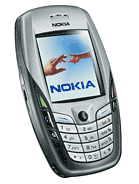
Then there are the models that marked Nokia’s more advanced period. The Nokia 6600 helped define the early smartphone transition with Symbian software and richer features than a basic handset. The Nokia N95 pushed much further, combining multimedia, camera capability, GPS, and high-end ambitions into one of the company’s most discussed devices. These models are important because they show that Nokia was not only strong in simple phones. It was also trying to lead on software and advanced hardware before the smartphone market fully reorganized. That transition is easier to understand with the separate Nokia Symbian phones guide.
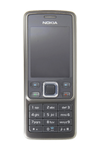
Finally, phones like the Nokia 6300 show why mid-range Nokia design still gets attention. Not every memorable model was a technical leap. Some became successful because they felt balanced and polished. That is why an article about classic Nokia phones should not rank models only by specifications. The real value is in understanding what each device represented in the brand’s history and how different buyer needs shaped Nokia’s lineup across generations. If you want to follow the story into Nokia’s later touchscreen smartphone phase, the Lumia explainer is the next useful step.