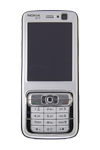

Model Reference
Nokia N95
2006 • Symbian • 2G, 3G
The Nokia N95 is often described as one of the most ambitious Nokia phones ever released because it tried to combine nearly every premium mobile feature of its time into a single device. GPS, Wi-Fi, 3G, multimedia playback, a capable camera, and the dual-slide form factor gave it a reputation as a genuine flagship rather than a narrow specialist handset.
Specifications
| Release year | 2006 |
|---|---|
| Type | feature_phone |
| OS | Symbian |
| Network | 2G, 3G |
| Display | 2.6" / TFT, 16M colors / 240 x 320 |
| Battery | 950 mAh |
| Memory | RAM 64 MB, Storage 160 MB |
| Camera | Main 5 MP, Front 0.3 MP |
| Body | 120 g / 99 mm x 53 mm x 21 mm |
| Network technology | GSM / HSPA |
| 2G bands | GSM 850 / 900 / 1800 / 1900 |
| 3G bands | HSDPA 2100 |
| Network speed | HSPA |
| GPRS | Class 10 |
| EDGE | Class 32, 296 kbps; DTM Class 11, 177 kbps |
| Announced | 2006.0 |
| Status | Discontinued |
| Body build | Dual slide design |
| SIM | Mini-SIM |
| Screen/body ratio | 39.9 |
| CPU | 332 MHz Dual ARM 11 |
| GPU | 3D Graphics HW Accelerator |
| Card slot | microSDHC (dedicated slot), 128 MB included |
| Internal memory | 160MB 64MB RAM |
| RAM text | 0.0625 |
| Main camera text | 5.0 |
| Main camera features | Carl Zeiss optics, LED flash |
| Main camera video | 480p@30fps |
| Selfie camera text | QVGA videocall camera |
| Loudspeaker | Yes, with stereo speakers |
| 3.5mm jack | Yes |
| WLAN | WLANWi-Fi 802.11 b/g, UPnP technology |
| Bluetooth | 2.0 |
| GPS | Yes, with A-GPS; Nokia Maps |
| Radio | Stereo FM radio |
| USB | miniUSB 2.0 |
| Sensors | V1 |
| Battery type | Removable Li-Ion 950 mAh battery (BL-5F) |
| Colors | Silver, Plum, Black, Pink, Red |
| Price | USD 264.6 |
Why This Model Matters
The Nokia N95 is often described as one of the most ambitious Nokia phones ever released because it tried to combine nearly every premium mobile feature of its time into a single device. GPS, Wi-Fi, 3G, multimedia playback, a capable camera, and the dual-slide form factor gave it a reputation as a genuine flagship rather than a narrow specialist handset.
Descriptions
Nokia N95 is a Nokia feature phone from the Nseries series released in 2006. In this catalog, the model is most closely associated with Symbian software, 2G and 3G connectivity, 2.6" display, 950 mAh battery, and 160 MB storage.
Nokia N95 fits into Nokia's lineup as a feature phone focused on everyday communication and practical hardware choices. Support for 2G and 3G helps place it within the network standards of its generation. Notable details include 332 MHz Dual ARM 11 chipset, camera features such as Carl Zeiss optics, LED flash, dual slide design, and stereo fm radio, which helps explain how this device compared with nearby Nokia models in the same period.
For buyers or researchers comparing Nokia devices from 2006, Nokia N95 is useful as a reference point for what a feature phone in the Nseries family typically offered in that period. Key reference points include 160 MB of storage, 950 mAh battery capacity, and 5 MP main camera.
On this page, the specifications table and descriptive notes help place Nokia N95 within the wider Nokia catalog. Details such as TFT, 16M colors and 99 x 53 x 21 mm and 120 g provide extra context for understanding the device's design priorities and day-to-day usability.
History and relevance
The Nokia N95 is often described as one of the most ambitious Nokia phones ever released because it tried to combine nearly every premium mobile feature of its time into a single device. GPS, Wi-Fi, 3G, multimedia playback, a capable camera, and the dual-slide form factor gave it a reputation as a genuine flagship rather than a narrow specialist handset.
Its long-term relevance comes from how clearly it represented Nokia's vision of the high-end smartphone before the modern app-store model dominated the market. The N95 is still cited as a benchmark in retrospectives about mobile design because it delivered an unusually complete package for its era and showed how far Nokia was able to push hardware integration, imaging, and portable media before the industry shifted toward a different software ecosystem.
Related phones
Related articles