When people search for Nokia Nseries phones, they are usually looking for more than a list of model numbers. They want to understand what Nseries actually meant, why it mattered in Nokia history, and which devices best represent the line. The short answer is that Nseries was where Nokia concentrated much of its multimedia, camera, and flagship smartphone ambition during the Symbian era. If you want the broader platform context first, the Nokia Symbian phones guide is the best starting point.
Nseries matters because it helps explain how Nokia thought about premium smartphones before the modern app-store model took over the market. These were not just communication tools. They were positioned as music devices, camera devices, navigation devices, and portable media products. That made the range one of the clearest expressions of Nokia’s pre-iPhone smartphone vision.
What Nseries Was Trying To Be
Nseries was important because it gave Nokia a recognizable flagship family with a stronger entertainment and multimedia identity. Some Nokia lines were associated with business use, affordability, or mainstream communication. Nseries was different. It was the place where Nokia could show technical ambition and present a phone as a premium digital device rather than only a handset.
That does not mean every Nseries phone had the same role. The family included different experiments and priorities over time, which is why it is best understood as a series-level story rather than a single famous phone carrying the whole brand. The Nseries facet page is useful once you want to browse the wider range.
The Best-Known Nseries Models
The Nokia N95 is the easiest Nseries model to use as a reference point because it combined so many headline features in one device. It is still discussed because it represented Nokia at full flagship ambition, trying to combine mobile photography, media playback, GPS, and advanced smartphone software in a package that felt unusually complete for its time.
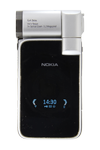
The Nokia N93i reflects another side of the same idea. It shows how Nokia was willing to experiment with design and premium positioning inside the Nseries family rather than treat every high-end phone as a generic slab of specs. Even where some of these models now feel tied to their era, they remain useful for historical research because their purpose was so clear.
Why Nseries Still Attracts Interest
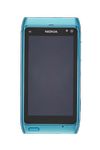
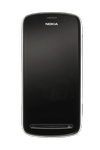
Nseries still gets evergreen search interest because it sits at the intersection of several Nokia themes at once: Symbian smartphones, camera-led phones, media devices, and pre-modern flagship ambition. The Nokia N8 and later the Nokia 808 PureView also matter here, even when they point beyond the strict classic Nseries peak, because they continue the same Nokia pattern of treating imaging and hardware integration as major differentiators.
That is also why Nseries overlaps with collector interest. Many readers are not only trying to remember the lineup. They are trying to identify which models best represent Nokia’s most ambitious smartphone chapter before Lumia became the next major strategic shift. For that later chapter, continue with the Lumia guide.
How To Use Nseries As A Research Entry Point
The most practical way to use Nseries on this site is to treat it as a hub for Nokia’s premium Symbian era. Start with the N95 if you want the clearest single reference model, then compare it with later imaging-focused devices such as the N8 or 808 PureView. From there, the phones by series hub and the compare tool make it easier to place Nseries against Lumia, Eseries, and other Nokia families.