Looking at Nokia phones by decade is one of the easiest ways to understand why the brand still attracts long-tail search traffic. People do not only search for one model number. They also search for “old Nokia phones”, “2000s Nokia phones”, “Nokia phones from 2010”, or “what happened after Lumia”. A decade-based view helps answer those broader questions without turning the site into a thin archive. For more granular browsing, the phones by year hub is the next step.
Nokia’s history is especially useful for decade-style research because the company went through several clearly different phases. The brand identity of the late 1990s and early 2000s was not the same as the Symbian era, the Lumia period, or the later Android era. Each decade captures a different answer to what a Nokia phone was supposed to be.
The 1990s And Early Classic Nokia Era
In the 1990s, Nokia built the foundation of the identity that many people still remember today. This was the era when the company became closely associated with reliable mobile hardware, familiar industrial design, and phones that felt practical rather than fragile. Even when some of the best-known classic models arrived slightly later, this period established the trust that made them possible.
That is why decade-based Nokia history should not start only with the most famous phone. It starts with the period when Nokia became the default reference point for mobile reliability and everyday usability.
The 2000s: Peak Classic Nokia And The Smartphone Transition
For many readers, the 2000s are the core Nokia decade. This is where the Nokia 3310 became an icon, where Nokia mastered mass-market devices, and where more advanced models started to reshape the brand’s image. The best classic Nokia phones article covers the most remembered devices from this period.
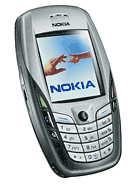
The 2000s also matter because Nokia was already pushing beyond basic handsets. The Nokia 6600 and later the Nokia N95 show how the company was experimenting with smartphone software, multimedia, and premium positioning before the modern market fully reorganized. This is the decade where the classic Nokia story and the Symbian story overlap most strongly.
The 2010s: Symbian Endgame, Lumia, And Strategic Change
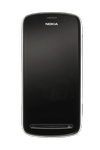
The 2010s are more complicated, which is exactly why they are useful in reference-style research. Early in the decade, Nokia was still producing technically interesting Symbian devices such as the 808 PureView. At the same time, the market was changing quickly, and Nokia had to rethink its smartphone strategy.
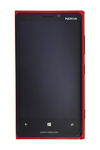
That is where Lumia becomes the defining Nokia story of the decade. Devices like the Lumia 920 made it clear that Nokia was trying to rebuild around a new software platform and a new design language. The wider chronology of that shift is easier to follow in the Lumia timeline.
The 2020s: Modern Nokia Under A Different Market Logic
By the 2020s, Nokia phones were operating in a much more mature smartphone market. The brand still had recognition, but the role of a Nokia phone had changed. Instead of defining the market, newer devices were competing inside an ecosystem already shaped by Android and 4G/5G expectations. That is why the platform hub and features hub are especially useful for this period.
The key point is that Nokia by decade is not a nostalgia exercise only. It is a practical framework for understanding why different Nokia models feel so different from one another and why the same brand can mean durable classics, Symbian smartphones, Lumia design, and modern Android devices depending on the era.
For readers using this site, the next step is to move from decades into more specific clusters. Open the year hub for tighter chronological browsing, the iconic Nokia phones article for the strongest brand symbols, or the compare tool if you want to place one era directly against another.