The Nokia Lumia timeline matters because it shows how Nokia tried to rebuild its smartphone position after the Symbian era. Readers searching for Lumia models in order usually want more than a list of release names. They want to understand how the range evolved from early Windows Phone experiments into broader mainstream and flagship devices. If you want the wider explanation of why the range existed at all, start with the Nokia Lumia phones guide.
Looking at Lumia in timeline form makes the strategy easier to read. Early devices established the design language, later models tried to improve camera credibility and flagship status, and lower-cost releases aimed to keep Nokia visible in a smartphone market that was becoming increasingly price-sensitive. For the earlier chapter that led into Lumia, the Nokia Symbian phones guide gives the necessary background.
The First Lumia Stage
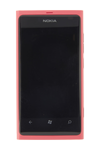
The first phase of the Lumia story was about resetting Nokia’s smartphone image. Devices like the Lumia 800 and Lumia 900 mattered because they introduced the hardware identity that would define the line: bright colors, clean shapes, and a stronger visual contrast with both older Nokia phones and many Android handsets of the time. Nokia needed Lumia to feel like a fresh start, not a minor continuation of Symbian.
That first stage was important even where the products were not perfect. The early Lumia models were Nokia’s attempt to signal that the company still belonged in premium smartphone conversations. They also established the core design language that later Lumia devices kept refining. In practical terms, the first Lumia generation was about visibility and identity more than scale.
The Mainstream Expansion Phase
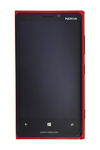
The next Lumia stage was about broadening the lineup. The Lumia 920 became one of the most remembered models because it pushed the premium story much more convincingly and gave the range a flagship that felt complete enough to attract broad attention. Around the same period, Nokia also needed models that could reach much larger audiences at lower prices.
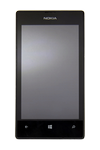
That is where phones like the Lumia 520 became so important. The 520 was not meant to carry the whole prestige story of the brand. Its role was different: it made Lumia visible to mainstream buyers who wanted a more affordable smartphone while still getting the recognizable Lumia look. In the timeline, this is the point where Lumia stopped being only a showcase and became a family with clear price-tier roles.
The Camera And Large-Screen Push
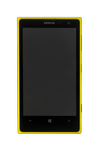
Another major step in the Lumia timeline was Nokia’s attempt to turn imaging and bigger displays into stronger reasons to choose the platform. The Lumia 1020 is central here because it became the clearest example of Nokia treating camera capability as a defining flagship identity rather than a secondary feature. It is one of the easiest Lumia models to place historically because its purpose was so obvious.
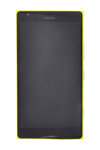
The Lumia 1520 reflects another shift. It shows Nokia trying to remain competitive in a market where larger displays were becoming more important for media use, navigation, and general smartphone expectations. Together, these models show that Lumia was not static. It kept adjusting its strongest arguments as the market changed around it.
Why The Lumia Timeline Still Helps
Following the Lumia models in order helps readers understand that the range was not one success or one failure. It was a sequence of strategic moves: first reintroduce Nokia as a modern smartphone brand, then expand downward for volume, and then keep pushing premium identity through design and camera hardware. That makes timeline-based research more useful than looking at only one famous model in isolation.
For readers using this site, the practical next step is to compare a flagship-focused device like the Lumia 920 or Lumia 1020 against a broader-market model like the Lumia 520. You can continue through the wider Nokia phones catalog, jump back to the broader Lumia explainer, or use the compare tool to see how these devices differ.