Model Reference
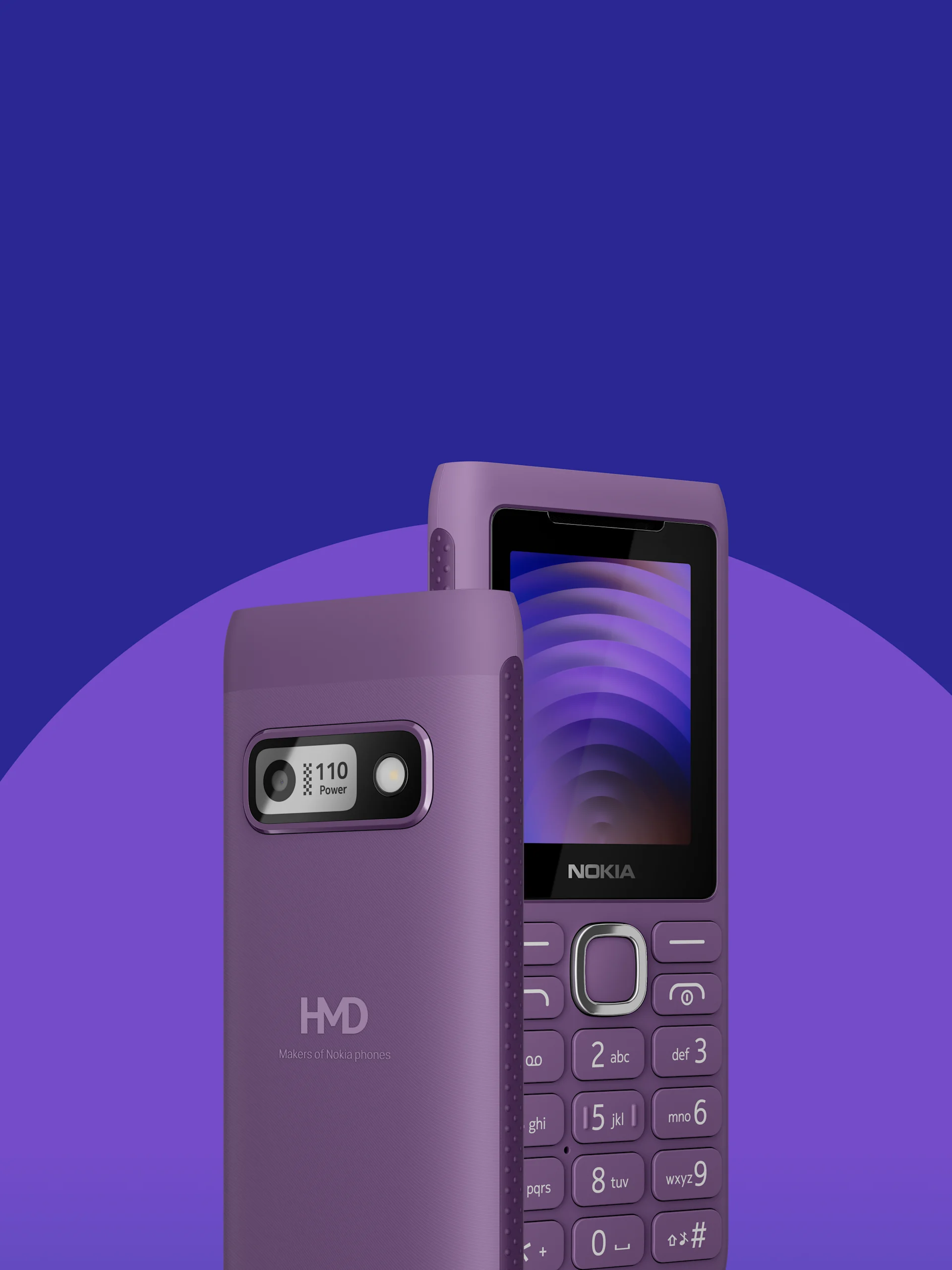
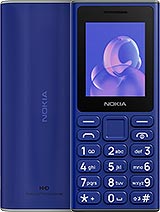
Nokia 105
- • RTOS OS • 2G
Nokia 105 matters as a Nokia feature phone because it helps document what the brand was offering in that part of its lineup. On this site, the model is especially useful as a reference point for 1000 mAh battery and 2G support.
Specifications
| Release year | - |
|---|---|
| Type | feature_phone |
| OS | RTOS OS |
| Network | 2G |
| Display | 2" / 2.0 inches, 12.4 cm / 120 x 160 pixels, 4:3 ratio (~100 ppi density) |
| Battery | 1000 mAh |
| Memory | RAM -, Storage 4 MB |
| Body | 77.5 g / 115.5 mm x 49.5 mm x 14 mm |
| Network technology | GSM |
| 2G bands | GSM 900 / 1800 |
| SIM | Dual SIM (Mini-SIM, dual stand-by) |
| Card slot | microSDHC |
| Internal memory | 4 MB 4 MB RAM |
| Loudspeaker | Yes |
| 3.5mm jack | Yes |
| WLAN | WLANNo |
| Bluetooth | No |
| NFC | No |
| Radio | Wireless FM radio |
| USB | microUSB |
| Battery type | 1000 mAh, removable |
| Colors | Black, Blue, Purple |
Why This Model Matters
Nokia 105 matters as a Nokia feature phone because it helps document what the brand was offering in that part of its lineup. On this site, the model is especially useful as a reference point for 1000 mAh battery and 2G support.
Descriptions
Nokia 105 is a Nokia feature phone. In this catalog, the model is most closely associated with RTOS OS software, 2G connectivity, 2" display, 1000 mAh battery, and 4 MB storage.
Nokia 105 fits into Nokia's lineup as a feature phone focused on everyday communication and practical hardware choices. Support for 2G helps place it within the network standards of its generation. Notable details include wireless fm radio, expandable storage, and 77.5 g body weight, which helps explain how this device compared with nearby Nokia models in the same period.
For buyers or researchers comparing Nokia devices, Nokia 105 is useful as a reference point for what a feature phone typically offered in that period. Key reference points include 4 MB of storage and 1000 mAh battery capacity.
On this page, the specifications table and descriptive notes help place Nokia 105 within the wider Nokia catalog. Details such as 2.0 inches, 12.4 cm and 115.5 x 49.5 x 14 mm and 77.5 g provide extra context for understanding the device's design priorities and day-to-day usability.
Related phones
Related articles